
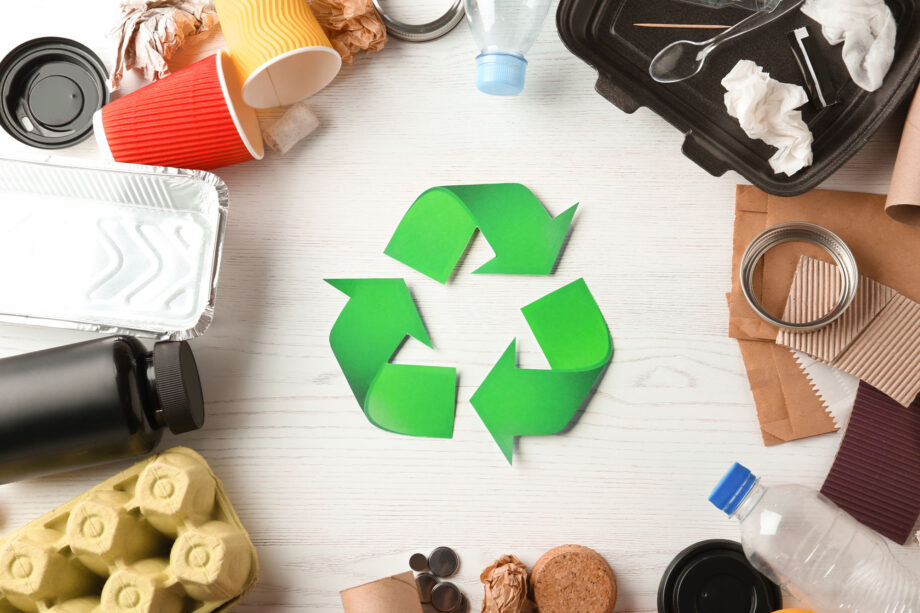
For Australian food businesses, navigating the complex world of packaging disposal can be challenging. Your customers want to do the right thing, but standing in front of a recycling bin with a greasy burger box or a plastic salad bowl can be confusing. Does the lid go in the yellow bin? Is the foil recyclable? And what do those little numbers in the triangle actually mean?
Across Australia, recycling symbols help the general public be more environmentally responsible, as well as offering a way for businesses to build trust with eco-conscious consumers. By choosing the right packaging products and helping your customers dispose of them correctly, you align your brand with a sustainable future.
This guide from QFPack breaks down the essential symbols, clarifies the difference between the Australasian Recycling Label (ARL) and the plastics identification code, and helps you choose the best solutions from our range for your menu.
The Australasian Recycling Label (ARL): Ending the Confusion
The most user-friendly development in Australian packaging is the Australasian Recycling Label (ARL). Unlike older symbols that were often ambiguous, the ARL provides clear instructions on how to dispose of each specific packaging component separately.
These Australian recycling label guidelines break down packaging into individual parts, such as the box, foil, lid, or wrap, acknowledging that a single product often consists of multiple materials with different disposal requirements.
The ARL uses three distinct classifications to guide consumers:
1. Recyclable (The Solid Ark)
The solid recycling symbol (a coloured or filled-in Mobius loop) indicates that the item is recyclable.
- Action: This can be placed in your council kerbside collection’s recycling bin.
- For Food Businesses: This label is frequently found on our rigid plastic containers (like PET salad bowls), milk cartons, and clean cardboard boxes.
2. Conditionally Recyclable (The Transparent Ark)
The transparent recycling symbol (an outline of the Mobius loop) means the item is conditionally recyclable.
- Action: These items can be recycled only if the instructions provided below the symbol are followed. If you cannot follow the instructions, these items are not recyclable and must go in the rubbish bin.
- Common Instructions: You might see instructions such as “Scrunch in ball” for foil, or “Store Drop Off” for soft plastics like wrap.
- Why it matters: Without following these instructions – such as balling up foil so recycling facilities can sort it – these items can cause contamination.
3. Not Recyclable (The Bin Symbol)
The bin symbol is a clear illustration of a rubbish bin.
- Action: This bin symbol means the item cannot be placed in kerbside recycling and must be disposed of in your general waste bin or rubbish bin.
- Common Items: This is often found on lids, certain soft plastics, or composite materials that current recycling facilities cannot process.
By following these Australian recycling label guidelines, we can significantly reduce contamination and ensure that recyclable materials are actually recovered.
Plastic: Decoding the Recycling Symbols 1-7 Australia uses
While the ARL tells you what to do, the plastics industry uses a different system to identify what plastic is made of. A major component of plastic recycling symbols Australia-wide is the Plastics Identification Code (also known as the Resin Identification Code or recycling codes).
It is a common misconception that the presence of a triangle with a number inside means an item is recyclable. This code number (1–7) primarily identifies the resin type for sorting purposes. Here is a breakdown of the resin code system and what it means for your recycling bin, particularly for residents in South East Queensland and most councils across the country.
Code 1: PET or PETE (Polyethylene Terephthalate)
Symbol: The number 1 inside the recycling triangle.
- Common Uses: Water bottles, soft drink bottles, sports drink bottles, and clear salad bowls or plastic containers.
- Recyclability: Highly recyclable. PET is one of the most valuable plastics in the recycling stream. Ensure they are empty and rinsed clean of food residue.
Our clear plastic bowls and cold cups are typically made from PET.
Code 2: HDPE (High Density Polyethylene)
Symbol: The number 2 inside the recycling triangle.
- Common Uses: Milk cartons, detergent bottles, cleaning product bottles, conditioner bottles, and some stronger plastic bags.
- Recyclability: Widely accepted in council kerbside collections. HDPE is durable and easily reprocessed into new products.
Code 3: V or PVC (Polyvinyl Chloride)
Symbol: The number 3 inside the recycling triangle.
- Common Uses: Plumbing pipes, clear cordial bottles, bubble wrap, toys, and some plastic items like blister packs.
- Recyclability: PVC is generally not accepted in standard kerbside recycling bins. It contains chemicals that can contaminate other plastic batches during the recycling process. Dispose of these in the rubbish bin.
Code 4: LDPE (Low-Density Polyethylene)
Symbol: The number 4 inside the recycling triangle.
- Common Uses: Soft plastics like bread bags, produce bags, squeeze bottles, and flexible lids.
- Recyclability: This lightweight plastic falls into the conditionally recyclable category. LDPE generally cannot go in your yellow-lid bin as it tangles in sorting machinery. Look for the ARL “Store Drop Off” instruction. If no soft plastic collection is available near you, these must go in the general waste bin.
Code 5: PP (Polypropylene)
Symbol: The number 5 inside the recycling triangle.
- Common Uses: Ice cream containers, yoghurt tubs, margarine tubs, meat trays, and rigid takeaway containers.
- Recyclability: Widely accepted by most councils. PP is tough and heat-resistant, making it a staple for food packaging. Ensure these containers are rinsed clean of food residue to prevent contamination.
Our microwave-safe rectangular takeaway containers are made from PP.
Code 6: PS (Polystyrene)
Symbol: The number 6 inside the recycling triangle.
- Common Uses: Styrofoam cups, foam meat trays, protective foam packaging, and plastic cutlery.
- Recyclability: Generally not accepted in kerbside bins. Polystyrene breaks apart easily and contaminates other recyclables. It should be placed in the rubbish bin, although some specialised drop-off centres exist.
Code 7: Other
Symbol: The number 7 inside the recycling triangle.
- Common Uses: This is a “catch-all” category for plastics that don’t fit codes 1-6.
- Recyclability: Highly variable. Do not put Code 7 items in your recycling bin unless your local council explicitly states they accept them. This category also includes some compostable plastics, which cannot be recycled with standard plastics.
Paper and Cardboard: The Backbone of Recycling
While the focus is often on plastic, paper and cardboard remain the most successfully recycled materials in Australia.
From delivery boxes to cereal cartons, fibre-based packaging is highly valuable. Paper fibres can be recycled multiple times, turning old cardboard into new boxes, toilet paper, or egg cartons.
Contamination Check: Paper products are recyclable only if they are clean. A slightly greasy pizza box lid might be okay, but heavy grease or stuck-on cheese can ruin a batch of recycling. In these cases, it’s often better to tear off the clean lid for the recycling bin and put the soiled base in the general waste or compost bin.
We offer a broad range of paper and cardboard food packaging, including kraft paper and corrugated cardboard boxes, pizza boxes, kraft trays and white paper trays, plus paper bags.
The Role of Bagasse (Sugarcane)
With the rise of eco-friendly alternatives, QFPack has seen a surge in sugarcane (bagasse) products. These are plant-based and typically biodegradable.
- Disposal: You can typically place sugarcane packaging in a compost bin or a home compost system if certified home compostable.
- Recycling: If the item is clean (dry and free of food residue), it can often be recycled with cardboard. However, once soiled with food, it poses a contamination risk and should be composted or disposed of in the general waste. Always check for the seedling logo or specific instructions on the pack.
Check out our sugarcane bowls, sugarcane trays, sugarcane compartment containers and other eco-friendly packaging options.
Aluminium: The Infinite Resource
Aluminium is one of the few materials that can be recycled infinitely without losing quality. Using recycled aluminium saves up to 95% of the energy required to produce new aluminium from raw ore.
- Rigid Items: Aluminium cans and rigid trays are standard accepted items in recycling facilities.
- Foil: Aluminium foil is recyclable, but small pieces fall through sorting machines. This is where the recycling symbol instruction “Scrunch in ball” is vital. By scrunching clean foil into a fist-sized ball, you ensure it is large enough to be captured by the recycling machinery.
Our foil containers and trays are an excellent, fully recyclable choice for baked goods and hot foods.
Summary: Helping Your Customers Dispose Correctly
Navigating Australia’s recycling symbols doesn’t have to be a chore. As a food business, you can help your customers by choosing materials that are widely accepted in kerbside bins – like our PET bowls, PP containers, and clean cardboard boxes.
- Check the Label: Look for the Australasian Recycling Label first. It overrides the resin code.
- Separate Components: Take the lid off the bottle or remove the film from the tray if the labels differ.
- Clean it Up: Rinse plastic containers and milk cartons.
- Follow Instructions: If the label says “Scrunch” or “Store Drop Off,” follow that advice.
- When in Doubt, Leave it Out: If you are unsure, put it in the rubbish bin. “Wish-cycling” (hoping it gets recycled) causes contamination and can send a whole truckload of recycling to a landfill.
By paying attention to these labels and codes, you help create a cleaner environment and a more sustainable packaging industry for all of Australia. Get in touch with our friendly team for more advice on choosing the right food packaging for your business.