
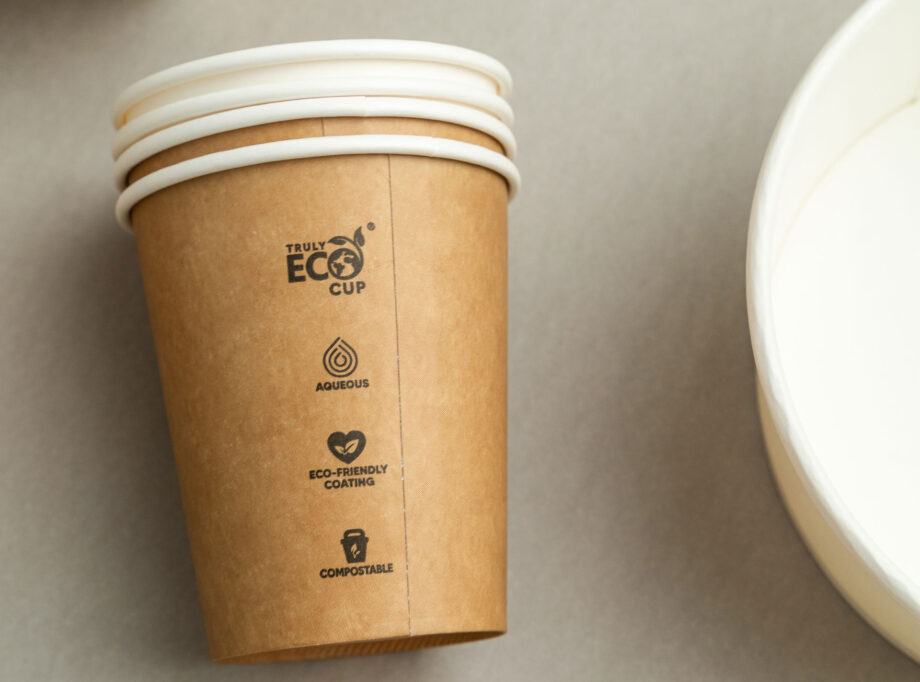
For Australian food businesses, navigating the world of sustainable packaging can feel like a minefield. With terms like “biodegradable,” “compostable,” and “recyclable” often used interchangeably, it’s difficult to know which eco-friendly packaging choices are genuinely responsible and which might be “greenwashing.”
So what is biodegradable packaging, and how does it impact your food service business? Making the right decision isn’t just about reducing your environmental impact; it’s about meeting national packaging targets, avoiding costly contamination, and aligning with your contemporary consumer needs. This guide from the food industry experts at QPack will clarify the key differences, explore the most common food packaging materials, and help you build a smart, sustainable mix with our packaging solutions.
Deconstructing the Terms: Biodegradable vs Compostable vs Recyclable
Understanding these three terms – compostable vs biodegradable vs recyclable – is important for food business operators choosing packaging products, as well as for consumers looking to reduce their environmental impact.
Biodegradable Definition: What is Biodegradable Food Packaging?
What is biodegradable vs compostable packaging, and what does this mean for food service businesses? Biodegradable materials are those that can be broken down by naturally occurring microorganisms, such as bacteria and fungi, over time. All compostable products are biodegradable, but not all biodegradable products meet composting standards. There are different types of biodegradable packaging, and each behaves differently depending on disposal conditions.
This is where confusion often occurs.
In the past, some conventional plastics were marketed as biodegradable because they contained additives that caused the material to fragment. These are known as Oxo-degradable Plastics. While they break into smaller pieces, the fragments remain non-biodegradable plastics and can contribute to microplastic pollution. These products are now being phased out across Australia.
Unlike traditional plastic, the biodegradable plastic used in QPack’s range is very different. Many of our biodegradable packaging materials, such as our BioCup products, are actually industrially compostable. This means they are designed to fully break down under controlled conditions into natural elements with nutrient-rich organic material, water, and carbon dioxide.
These biodegradable plastic packaging products are not designed to break down in landfill or a home compost bin, where they can contaminate compost. They require access to an industrial composting facility that reaches higher temperatures and maintains correct oxygen levels.
Key Takeaway: Biodegradable is a broad term, and not all biodegradable materials can be composted. Look for certified compostable products and study compostable claims carefully to ensure your packaging is made of completely biodegradable materials.
Compostable Definition: What is Compostable Packaging?
Compostable packaging materials belong to a subset of biodegradable packaging. These materials have undergone strict testing to prove they break down in a set timeframe, leaving no toxic residue or harmful substances.
In Australia, there are two key compostable certifications:
| Certification | Standard | Meaning |
| Commercially Compostable | AS 4736 | Breaks down in a commercial compost facility under high heat and controlled conditions. |
| Home Compostable | AS 5810 | Breaks down into organic matter in a home compost environment without special equipment. |
Industrial composting systems operate at higher temperatures and maintain continuous aeration. These conditions allow plant-based raw materials like PLA, biopolymers and similar organic materials to break down rapidly. A backyard compost pile cannot achieve these temperatures, so industrially compostable items must not go into home compost bins.
Key Takeaway: All compostable materials are biodegradable and have a proven performance for breaking down during the composting process, effectively recycling organic waste materials into a nutrient rich compost.
What is Recyclable Packaging?
Recyclable materials are collected, sorted, and processed into new products via the recycling process. This is currently the most widely available waste pathway in Australia, guided by the Australasian Recycling Label (ARL).
Two of the most important recyclable plastics in food packaging are:
- PET (Polyethylene Terephthalate, Code 1) for plastic cups and salad containers.
- PP (Polypropylene, Code 5) for plastic hot food containers.
Recycling supports a circular economy by reducing reliance on fossil fuels and minimising plastic waste diverted to landfill. Choosing recyclable formats helps businesses reduce waste and align with the National Packaging Targets set by the Australian Packaging Covenant Organisation (APCO).
Key Takeaway: If your business does not have access to commercial compost collection, recyclable packaging is often the most reliable and scalable choice.
Understanding Your Packaging Materials
Food businesses choose from several sustainable materials, each with strengths, limitations, and ideal use cases.
Plastic Packaging (The Pragmatic Choice)
Although petroleum-based plastics have environmental impacts, plastic packaging remains practical for many menus.
| Material | Best Use | Environmental Profile |
| PET (Code 1) | Cold beverages, salads, display items | Highly recyclable with strong market value. |
| PET (Code 5) | Hot meals, soups, microwave-ready dishes | Recyclable in most kerbside systems and heat-safe. |
When recycled, these materials support circular economy goals. Choosing recycled plastic content where available further reduces the carbon footprint.
Paper and Cardboard: Proven Performance
Paper and cardboard packaging, like hinged cardboard boxes, kraft paper bags, tissue paper liners and paper wraps for sandwiches and cold goods, offer a natural look and work well for dry foods. Untreated/unlaminated paper products are typically recyclable if clean and free from heavy grease. Unlined paper can also be home compostable under the right conditions.
Sugarcane and Plant-Based: The Ultimate Compostable Products
Sugarcane bagasse is made from agricultural waste left after sugar production. These readily compostable and biodegradable materials offer a range of practical and environmental benefits:
- Sturdy and grease-resistant
- Suitable for hot and cold foods
- Microwave safe
- Certified Home Compostable (AS 5810)
This is one of our most popular eco-friendly packaging materials because it performs well with food products that require sturdy packaging, without relying on raw materials from fossil fuels. We offer a wide range of sugarcane packaging, including:
Aluminium Packaging: Rugged and Recyclable
Aluminium trays are durable and can be recycled over and over. Ensure they are clean and scrunched into a fist-sized ball before recycling.
Beyond the Basics: Other Materials and Concepts
Emerging Sustainable Materials
While QPack focuses on the core sustainable packaging options used by cafés, restaurants, and takeaway operators, there are also new biodegradable materials emerging in the broader market. Innovations like seaweed packaging, cornstarch packaging (e.g. biodegradable packing peanuts), biobased films, and biodegradable polymer developments (including PHA) show how rapidly the industry is evolving. Many of these rely on natural materials designed to break down under specific conditions, although they are still in early stages for mainstream food packaging applications.
Flexible Packaging and Wraps
Some menus need flexible packaging like wraps, pouches, or bags. These formats can be made from paper, plant-based materials, or blends that support different food types. QPack stocks options that protect food, maintain freshness, and fit within responsible disposal pathways.
Balancing Innovation with Practicality
New food product packaging options will continue to enter the market, but the priority for most food businesses remains choosing solutions that are functional, cost-effective, and easy for customers to dispose of correctly. This is why proven options like sugarcane bagasse, cardboard packaging, PET, and PP remain the backbone of most sustainable packaging strategies today.
Food businesses should also consider the needs and characteristics of their customers. For example, if considering the choice of recyclable vs compostable packaging options, a food truck business that operates at festivals or other outdoor events that have limited access to recycling bins might opt for the latter, facilitating environmentally sound waste handling for their customers.
Material Comparison at a Glance
Choosing the right food packaging often comes down to a balance of safety, function, and environmental benefits.
| Material | Key Types | Best For | Microwave Safe? | Environmental Profile |
| Plastic (PET) | Code 1 | Cold drinks, salads, clear display | No | Recyclable in most kerbside systems. |
| Plastic (PP) | Code 5 | Hot food, soups, microwave meals | Yes | Recyclable in most kerbside systems. |
| Paper/Card | Kraft boxes, bags | Dry goods (bakeries, burgers) | Sometimes | Renewable material. Recyclable & Compostable (if clean/unlined). |
| Sugarcane (Bagasse) | Bowls, trays, clamshells | Hot & cold food, wet dishes | Yes | Often Home Compostable (AS 5810). Made from a waste by-product. |
| Lined Paper | Coffee cups, noodle boxes | Hot/wet food & drinks | Varies | A mixed material. Most are Landfill only. |
| Aluminium | Foil trays, wraps | Hot food, baked dishes | No | Infinitely Recyclable (if clean & scrunched). |
Biodegradable vs Compostable Packaging FAQs
Most biodegradable packaging is made from natural materials and renewable sources such as plant fibres, starches, and other alternatives to synthetic polymers like polyvinyl chloride (PVC).
Composting is a natural process where living microorganisms break down organic waste. In the right conditions (heat, oxygen, and moisture), materials undergo biological processes that transform them into compost.
Industrial facilities provide controlled conditions such as higher temperatures and regulated oxygen levels that allow certified industrially compostable packaging (e.g. many PLA products) to break down rapidly. These conditions cannot be replicated in a home compost system.
The Australasian Bioplastics Association issues certifications for commercially compostable and home compostable products that meet the relevant Australian Standard. Their approval helps businesses identify genuinely compostable packaging.
Disposal depends on the certification:
- AS 4736 items must go to a commercial compost facility.
- AS 5810 items can go in a home compost environment.
Placing compostable packaging in recycling bins can disrupt the recycling process, so correct disposal is essential.
Yes. When compostable packaging breaks down fully, it becomes a nutrient-rich compost that supports healthy soils. This is one of the key environmental benefits compared to conventional plastics.
Rapid biodegradation occurs when compostable materials are kept at high temperatures with consistent aeration and moisture. These are the conditions maintained in industrial composting facilities, allowing materials to break down much faster than in a landfill.
Yes. Products that meet AS 4736 or AS 5810 must prove they break down without leaving toxic residue, heavy metals, or harmful chemicals. They must decompose into natural elements such as water, carbon dioxide, and organic matter.
Your Partner in Environmentally Friendly Packaging
Choosing the right eco-friendly packaging is a powerful statement about your brand’s values. By understanding the various recyclable, compostable, and biodegradable options available, you can make informed choices that are functional, cost-effective, and suitable for your customer base.
Whether you’re starting with recyclable PET and PP or leading the way with our home-compostable sugarcane range, QPack leverages a global supply chain and access to local manufacturing facilities to provide reliable, high-quality packaging solutions to support your food business.
Contact our friendly team to discuss sustainable packaging options.